Why Trails Matter More Than Ever
A message from WTN Co-Chair Julian Gray
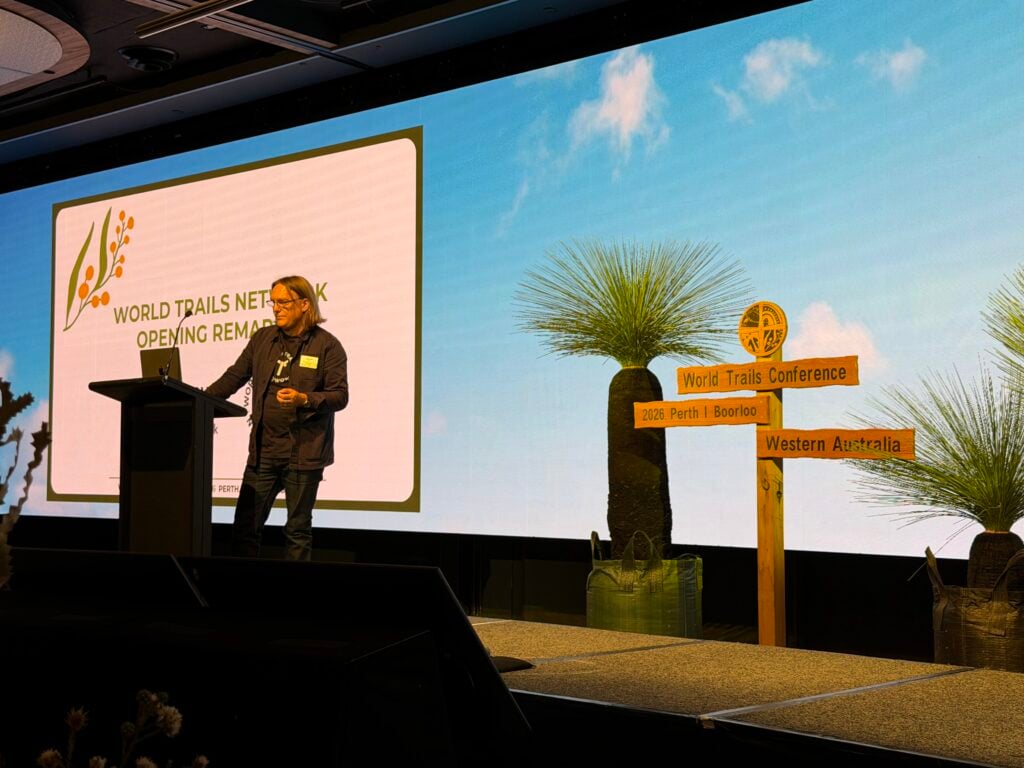
As we gather in Perth on Whadjuk Noongar Country for the 10th World Trails Conference, I find myself reflecting on the remarkable journey of the global trails movement and the role trails continue to play in an increasingly complex world.
Every two years, the World Trails Network community comes together to exchange ideas, challenge thinking, share experiences and learn from one another. While our landscapes, cultures and trail systems may differ, we are united by a common belief: trails matter.
They matter because they connect people with nature. They connect communities with opportunity. They connect visitors with culture, heritage and story. And perhaps most importantly, they connect people with one another.
Gathering at a Critical Moment
This year’s conference theme, “Trails to the Future: Connection, Conservation and Culture,” feels particularly relevant.
Around the world, we are facing significant challenges. Climate change, nature crisis, urbanisation, technological disruption and growing political polarisation and social division are reshaping how we live, work and interact with both nature and each other.
Against this backdrop, trails have never been more important. They help people reconnect with the natural world at a time when many feel increasingly disconnected from it. They are our Natural Health Service, providing opportunities for healthier, more active lifestyles. They support local economies and sustainable tourism. They create spaces for cultural exchange, learning and understanding.
Increasingly, trails are being recognised not simply as recreational assets, but as essential social, cultural and environmental infrastructure.
Learning From Place
It is fitting that these conversations are taking place here in Western Australia.
For tens of thousands of years, First Nations peoples have maintained deep connections to Country through pathways, stories, culture and stewardship. As visitors and delegates gather from around the world, we have the opportunity not only to discuss trails, but also to reflect on the deeper relationships between people, place and landscape.
Trails are often viewed as physical connections across geography. Yet they are equally connections across time, culture and understanding. They remind us that movement through a landscape can also be a journey of learning and respect.
More Than Recreation
Many of us can point to a trail experience that has stayed with us long after the journey ended. A walk that provided clarity. A ride that sparked a new idea. A journey that restored wellbeing. A pathway that offered a different perspective on a community or landscape.
These experiences help explain why so many people devote their careers, volunteer efforts and passion to creating, protecting and promoting trails.
Trails have the power to transform how we see the world and our place within it.
The Quiet Work Between Conferences
Since we last gathered in Ottawa, members of the World Trails Network have continued to advance important work across every corner of our community. Much of this work takes place away from conference stages and headlines. It happens through volunteers contributing their expertise. Through local trail groups improving access and stewardship. Through organisations developing innovative tourism models. Through conservation projects, cultural initiatives and community partnerships.
Collectively, these efforts help strengthen trails and trail experiences around the globe, while contributing to broader goals of conservation, community development and sustainable economic growth. The World Trails Conference provides an opportunity to bring these experiences together and learn from one another.
A Conference of Possibility
What excites me most about the days ahead is not only the formal programme, but the conversations that will happen around it. The best ideas often emerge between sessions. They are sparked during field visits, over coffee, in discussions with people from different countries and different disciplines. They emerge when we step outside our usual perspectives and engage with new ways of thinking.
This conference brings together practitioners, policy makers, land managers, researchers, tourism professionals, community leaders, volunteers and advocates from across the world. Each arrives with unique experiences and valuable lessons to share.
Together, we have an opportunity to explore how trails can contribute to a more connected, resilient and sustainable future.
Looking Forward
As we begin the 10th World Trails Conference, I hope delegates embrace the opportunity before them.
- Learn something new.
- Share your experience.
- Challenge assumptions.
- Build relationships.
- Listen to different perspectives.
And take time to connect with the remarkable people gathered from every corner of the world, including our Youth Ambassadors who will help shape the future of the trails movement.
The challenges facing our world are significant, but the trails community has always been defined by optimism, collaboration and a belief in the power of connection.
Over the coming days we will explore ideas, celebrate achievements and imagine new possibilities. Because wherever we come from, and whatever role we play, we are connected by a simple shared conviction: Trails matter.
Julian Gray is Co-Chair of the World Trails Network. He advocates for the role of trails in strengthening communities, supporting conservation, celebrating culture and creating meaningful connections between people and places around the world.